
Like their petrol and diesel counterparts, electric vehicles (EVs) may be targeted by criminals – to help keep you and your EV safe, our team have compiled their top security tips.
Are electric vehicles at risk of theft?
No matter what kind of car you drive, a few small habits can help deter thieves.
As well as ensuring the car is locked and parked securely, EV’s smart features require digital safeguards, such as secure passwords and keeping software up to date. Advanced access systems, such as smartphone-controlled entry or remote unlocking, add convenience but increase the number of potential entry points if not properly secured.
EVs also often use keyless entry systems, which may be exploited through ‘relay attacks.’ Thieves can intercept the signal from a key fob and unlock or start the car without physically possessing the key.
Simple precautions can help:
- Use a Faraday pouch – a small signal-blocking case that stops thieves from intercepting your key’s wireless signal.
- Keep keys out of sight near entry points, and switch off keyless entry (if your car allows it).
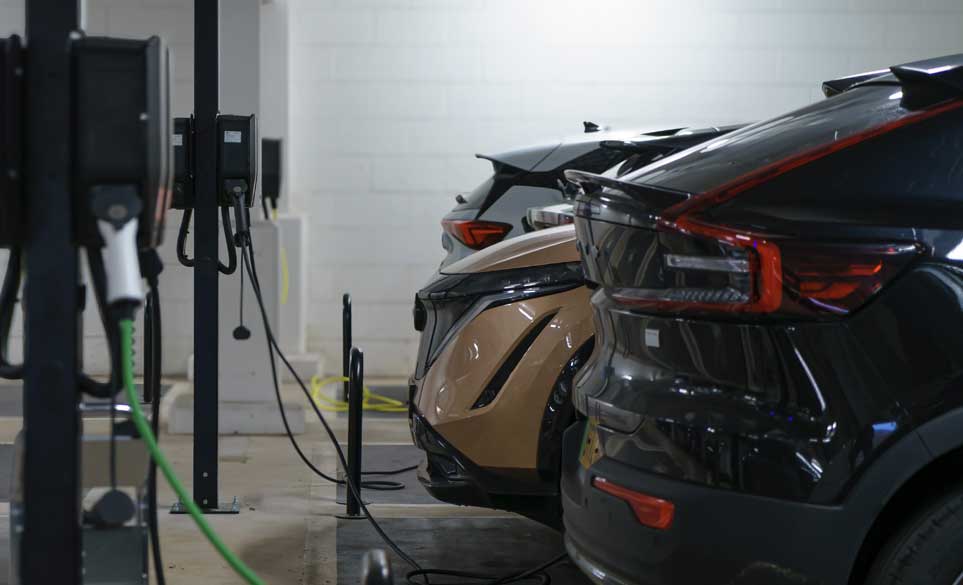
Six top tips to prevent theft
Keeping your car safe. Car thefts are becoming increasingly sophisticated, but a few smart habits can make protecting your car straightforward and stress-free.
How can drivers protect EV charging equipment?
A few considerations can keep your EV and charging equipment safe, no matter where you’re topping up.
- Charging cable theft prevention: whenever possible, use cables that lock into both the EV and charging unit. Many modern EVs automatically lock the charging cable during use but make sure to check it’s activated before leaving your car unattended.
- Public charging security considerations: when using public charging stations, choose well-lit, busy areas, avoid leaving your car unattended for long periods, and inspect charging points for tampering before use.
- Home charging security considerations: install home chargers in secure, well-monitored locations. You might also want to install outdoor lighting or CCTV.
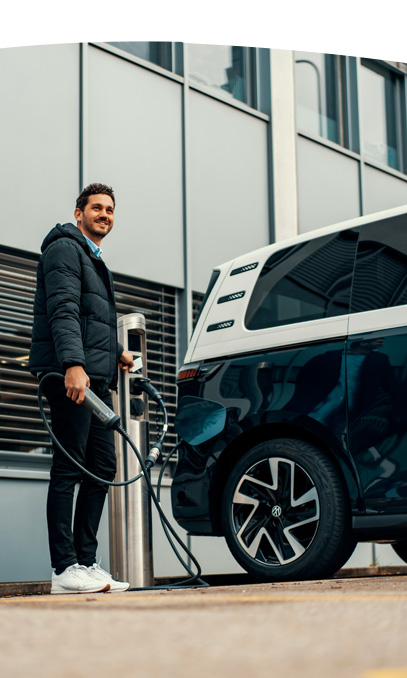
Electric car charging
Want to know more about charging your EV? Check out our ultimate guide to electric car charging.
What digital security risks affect EVs?
Many EV features rely on software, mobile apps, and cloud-based systems. This connectivity introduces cybersecurity risks, such as:
- Internet connection features: modern EVs can connect to the internet for navigation, diagnostics, and remote-control features. While convenient, these connections can be targeted if systems aren’t properly secured.
- App and account security: many EV functions are controlled through mobile apps. Weak passwords or shared credentials can allow unauthorised users to access vehicle data or control certain features.
- Software updates and vulnerabilities: manufacturers regularly release software updates to fix bugs and security weaknesses. Delaying updates can leave vehicles exposed to known vulnerabilities.
In a nutshell, to reduce digital risk use strong, unique passwords, enable two-factor authentication where available, and avoid accessing vehicle apps on unsecured public Wi-Fi.
How can businesses improve EV fleet security?
For organisations managing EV fleets, security should be addressed at scale across vehicles, drivers, and locations.
- Driver awareness and training: educating drivers on EV security best practices, such as recognising phishing attempts or securing charging cables, reduces the chance of thefts caused by human error.
- Depot and charging infrastructure security: fleet depots and charging points should be physically secured, regularly inspected for tampering, and accessible to authorised personnel only.
- Vehicle tracking and telematics: telematics systems provide real-time tracking and monitoring, allowing fleet managers to detect unusual activity and respond quickly to potential theft or misuse.
- Managing shared vehicle access: shared EVs require clear access protocols. Businesses should use secure digital key systems, regularly audit access permissions, remove access promptly when roles change.
What are the best everyday EV security practices?
Simple daily habits can significantly reduce the risk of theft or unauthorised access.
- Parking location considerations: park in secure, well-lit areas whenever possible. At home, use a garage or private driveway. In public, choose monitored car parks.
- Tech features: keep vehicle software and mobile apps up to date to ensure the latest security protections are applied. Use secure passwords, avoid public Wi-Fi networks, and use two factor authentication where possible.
- Protecting keys and access devices: store key fobs safely and consider using signal-blocking pouches to prevent relay attacks. Keep smartphones and apps secure with passcodes or biometrics.
- Monitoring charging activity: regularly check charging sessions via your vehicle or app to ensure no unusual activity has occurred.
- Using built-in security features effectively: take advantage of manufacturer features such as alarms, GPS, and remote locking and alerts.
Final thoughts
With just a few small habits, drivers and businesses can reduce risk and enjoy the convenience and cost benefits of EVs. Here at Zenith, we support drivers and businesses through every stage of their EV journey, to enable safer, easier driving.