Our guide to driving safely this winter
As the colder and darker months draw in, it’s especially important to take care on the roads.
Our team have gathered their best tips to keep you safe this winter, including advice on caring for your car battery if you drive an electric vehicle (EV) and how to reduce the chance of breakdowns.

Getting your car ready for winter
Before you set off on a journey this winter, make sure to check your:
Tyres
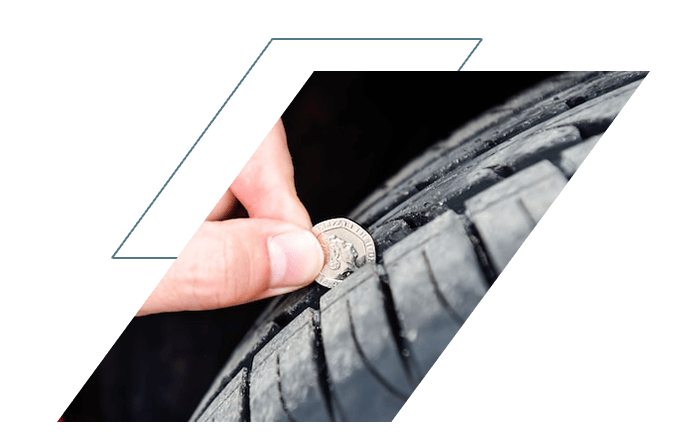
Your tyres should have sufficient tread depth and are correctly inflated. You might want to consider switching to winter tyres for extra grip.
Lights
This includes headlights, taillights, and indicators. Asking someone to help you by walking around the car will make this easier.
Brakes
Make sure your brakes are responsive and don’t feel ‘spongy’. If in doubt, book your car in for a service and make alternative travel plans.
Fluids
Give your car’s oil, coolant, and windshield washer level the once over. It’s best to use winter-grade washer fluid to prevent freezing.

Create a winter emergency kit
Prepare for the unexpected by assembling a winter emergency kit. Include items like blankets, a torch, non-perishable food, and first aid supplies.
How to prevent a breakdown
In addition to the points above, keeping on top of your car’s maintenance, reduces the chances of a breakdown. A professional check can prevent issues later down the line and keep you safe.
If you’re in a Zenith vehicle through our company car or salary sacrifice car scheme, you can schedule a thorough winter service for your vehicle.
Icy weather safety tips
If you have a manual car, use the highest possible gear when driving. Check that your tyres have at least 3mm of tread depth. Reduce your speed and allow extra braking distance.
Save on fuel costs
These simple tricks will help keep your wallet happy this winter.
- Drive efficiently – use regenerative braking when you can and avoid rapid acceleration or harsh braking. Many modern models also have efficiency or eco modes.
- Lighten the load – the heavier the car, the more power it needs to move. Removing any unnecessary items from the car’s boot or storage will save your battery and be kind on your wallet!
Driving an EV in winter
- Plan ahead – colder temperatures can reduce an EV’s range, so if you’re traveling long distances, make sure to plan charging breaks along the way.
- Precondition your car – most modern EVs allow you to precondition the cabin while the vehicle is still charging. This helps maintain a comfortable temperature and ensures windows are defrosted without draining the battery. Heating your seats or steering wheel is more efficient than using the standard climate controls.
A note on responsible driving
As the holiday season approaches, remember to enjoy the festivities responsibly. If you think you’ll be drinking alcohol, you may want to opt for a taxi or public transport or book accommodation and drive home in the next day.