What is an LCV?
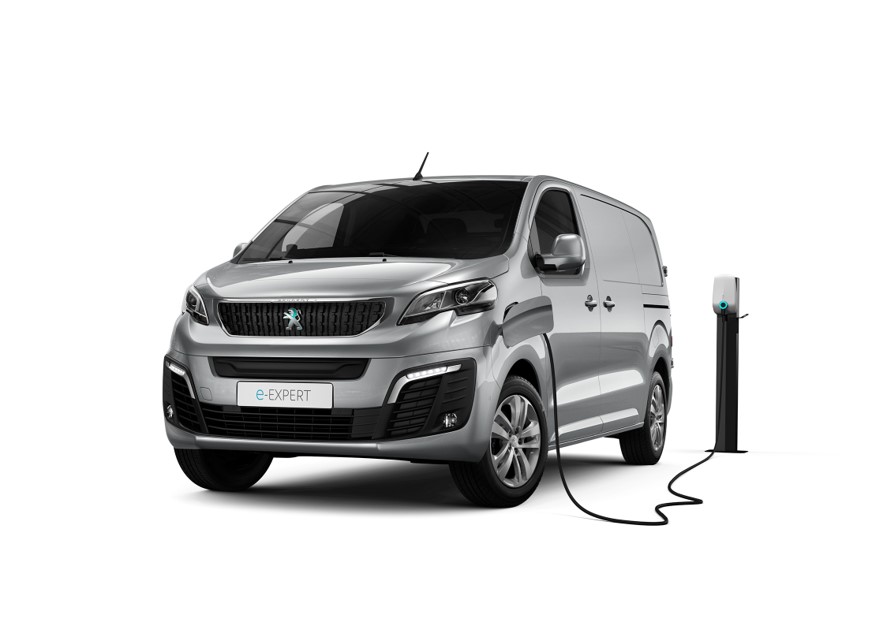
Light commercial vehicles (LCVs) are an essential resource for many businesses – from tradespeople, to catering, to parcel delivery, to agriculture – their functionality and reliability allow businesses to ‘get the job done’.
LCVs transport heavier loads than standard passenger cars and are subject to more regulations and compliance procedures, so it’s important that you have the right vehicles and that they’re managed efficiently. That’s where we come in.
Choosing the right LCV for your fleet
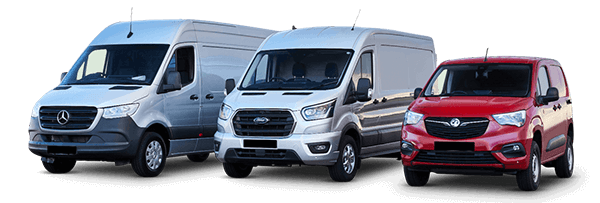
We offer all vehicle types, and our specialist LCV team will make sure you get a fleet that suits your business’ needs. We take the time to understand your business’ operations, so your vans will be road ready from delivery day.
Our consultancy process includes a deep dive into your business’ operations and what your team needs to do their job seamlessly. We work with our established industry partners to make sure that we provide you with a van that is tailored to your business’ current and future operations – from the base metal to the equipment, to the livery. Plus, with the approaching ICE vehicle ban, we can help you transition to electric at a sustainable pace.
Here at Zenith, we know vans
LCV Fleet Solutions
You want the right vans for the job, with experts on hand to keep them moving, and systems that make your life easier. That’s what you get with Zenith. No surprises, just a team you can rely on.
What are the different types of LCVs?
Here at Zenith, we offer all vehicle types across a range of manufacturers – most LCVs can be built or adapted to suit the needs of your business.
Understanding LCV body types
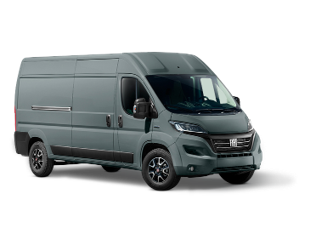
Car derived van
- Based on a regular passenger car but modified to have more cargo space.
- These vans are designed to have a maximum weight of 2 tonnes when fully loaded.
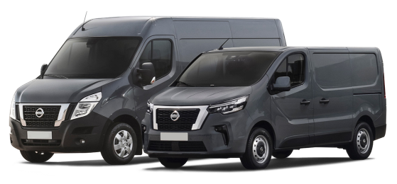
Medium size panel vans
- Available in a range of sizes, shapes, and wheel-base lengths.
- Compact enough for urban driving with a good load space.
- Often side-loading – meaning they can carry large items, while offering a variety of storage solutions.
- They have no rear side windows, which means they are secure and have plenty of space on the exterior for branding.
- These are a popular option for urban deliveries, tradespeople, mobile services (such as caterers or dog grooming).
Small/compact vans
- Carries 1 or 2 people (including the driver) and economical to run.
- Well-suited for city driving as they’re easy to park and manoeuvre.
- Larger load area than a CDV and can handle a heavier load.
- All have rear access to the cabin and some offer both read and side door access.
Large size panel vans
- Like medium size panel vans, but bigger!
- High roof models have enough room for standing up in – making them a good option for mobile workshops, long-distance logistics, or deliveries.
Chassis cab
- Features a cab and full platform of a van, but no rear body
- Designed for customisation and are often converted into include dropsides, tippers, and box vans
- Available with a single or double row of seats .
Chassis cab bodies
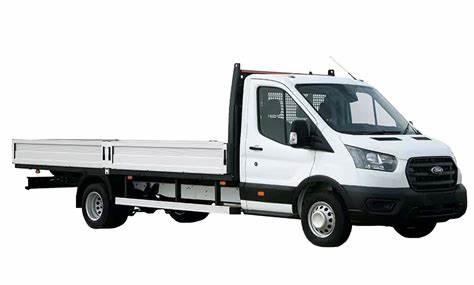
Dropside
A chassis cab with a large, flat open read load area, the sides of which are shallow and drop down to allow easy access when loading and unloading contents.
Tipper
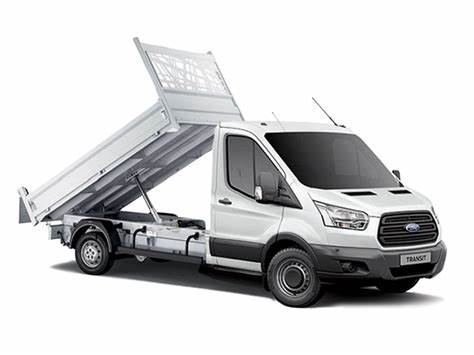
A chassis cab with a large, flat, open read load area that features a hydraulic ram that pushes the front load area up to move the contents to the read for unloading.
Box vans
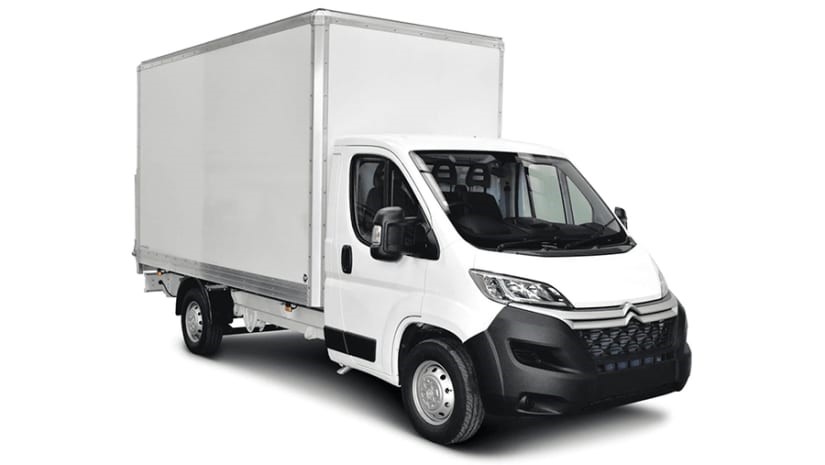
A rectangular cargo box is mounted on the chassis – the box is usually between 10-to26 feet in length with read access via roll-up doors (similar to garage doors).
Luton vans
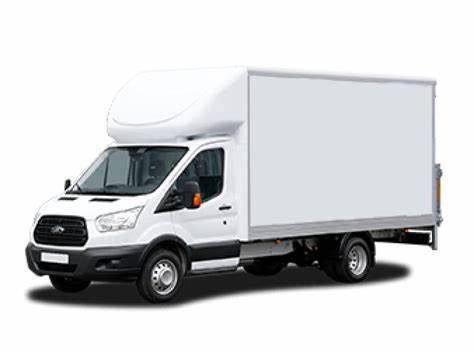
Similar to box vans, but the cargo box extends over the cab area, offering additional storage space, without increasing the van’s footprint. Most also come with a hydraulic tail lift, which making it quicker and easier to load and unload heavy or bulky items.
Crew/combi vans
- Seating for 5-7 people and some cargo space (less than a panel van)
- Flexible, open layout
- Side sliding doors for seat access and rear doors for cargo access
- Popular amongst tradespeople, even and production teams, utility companies, or camper conversions.
Minibuses
- Small-to-medium passenger vehicles designed to carry between 8-30 passengers (depending on the model).
- These are typically smaller than coaches or buses, so they’re easier to manoeuvre in urban areas.
- Commonly used for shuttle services, airport transfers, school transport, or tour groups.
- Can be easily adapted to be wheelchair accessible.
Pickup trucks and 4x4s
- A hybrid of a car and van with an enclosed cabin, open cargo area, low sides and a tailgate door.
- Available in single, king, and double cab sizes.
- Well-suited to rocky or uneven terrain, such as rural areas or building sites
- Minibuses
- Small-to-medium passenger vehicles designed to carry between 8-30 passengers (depending on the model).
- These are typically smaller than coaches or buses, so they’re easier to manoeuvre in urban areas.
- Commonly used for shuttle services, airport transfers, school transport, or tour groups.
- Can be easily adapted to be wheelchair accessible.
Understanding LCV sizes
Most vans are categorised via the length of the wheelbase (categorised on a scale of 1-4) and the height of the roof (categorised on a scale of 1-3).
Understanding LCV sizes
| Length (L) | Dimensions (metres) | Height (H) | Dimensions (metres) |
|---|---|---|---|
| L1 | 2.5m | H1 | 1.4m to 1.65m |
| L2 | 2.9m | H2 | 1.7m |
| L3 | 3.5m | H3 | 1.8m |
| L4 | 3.9m |
Understanding LCV weight
There are four key components of a van’s weight and payload limits:
Kerb weight
The total weight of a vehicle when it is not in use – this includes any equipment and fluids stored in it.
Gross vehicle weight (GVW)
GVW is the total weight of the vehicle, including kerb weight plus the driver, passengers, and any commercial goods. Just a heads up – if a van has a 2tonne GVW it will have a lower speed limit.
Van payload
This refers to the maximum weight that a van can legally carry – the amount is provided by every manufacturer and includes the weight of the cargo/goods, driver, and passenger.
LCV Fleet benefits
An LCV fleet with Zenith will mean your business has:
- Increased efficiency – having access to your own fleet can streamline your business operations whilst giving you total visibility and easier quality assurance.
- Immediate expansion – quick access to the amount of vehicles you need, without the financial constraints of traditional ownership.
- Reduced costs – reduce the need for third-party delivery services. Plus, with our fixed cost contracts, there are no surprise costs around the corner.
- Tax-efficient financing – reclaim costs when you pay via the business accounts.
- Green options – with our range of eLCVs, you can reach your sustainability goals without drastic changes to your ways of working.
Managing an LCV fleet efficiently
As well as managing the sourcing and building of your LCV fleet, we offer fleet management services, to ensure that your team are always road ready.
- Road ready fleets – we’ll optimise your fleet and reduce vehicle downtime, saving you time and money.
- Charging planning for eLCVs – opted for an electric van as part of your sustainability initiatives? Our LCV Consultants will make the transition as easy as one, two, EV!
- Regulations – we’ll ensure that your fleet is fully compliant with any changes to the law or industry regulations with clear documentation and reporting systems.
- Managing the build process – we ensure that every detail of your vans will drive your business forward.
- In-life services – our team are here to make sure your fleet stays efficient and compliant.
- Driver training – we’ll support your drivers through the transition from ICE to electric vehicles.