One of the key benefits of electric vehicles (EVs) is their exemption from Clean Air Zone (CAZ) related charges. Our team have summarised everything you need to know to make operating in CAZs simple.
What are Clean Air Zones?
Clean Air Zones are designated areas in UK cities that have been established to improve air quality by reducing vehicle emissions. Many of these zones include daily charges for higher-emission vehicles, particularly older diesel vans and cars, to discourage their use in busy urban areas.
Poor air quality has been linked to significant health issues, which is why local authorities are under pressure to implement effective solutions.
CAZs can be found in:
- Aberdeen
- Bath
- Birmingham
- Bradford
- Bristol
- Dundee
- Edinburgh
- Glasgow
- London
- Newcastle
- Oxford
- Portsmouth
- Sheffield
- Southampton
There are three types of CAZ policy:
While these schemes differ slightly in scope and rules, they all aim to reduce emissions and encourage drivers to opt for cleaner vehicles.
Will your van be charged in a Clean Air Zone?
Whether your van is charged in a Clean Air Zone depends on its emissions standard rather than its age alone.
The key rules are:
- Diesel vans: must generally meet Euro 6 standards to avoid charges
- Petrol vans: must meet Euro 4 standards
- Electric vans: fully compliant and exempt from charges
If your van does not meet the required emissions standard, it is classed as non-compliant and will be subject to a daily charge for entering the zone.
These rules exist because older engines produce significantly higher emissions, especially diesel vehicles manufactured before stricter regulations were introduced.
The easiest way to check compliance is through a simple registration lookup, most official CAZ websites allow drivers to enter their number plate and instantly see whether charges apply.
Check my vehicle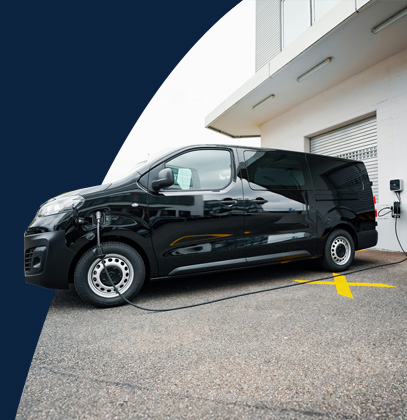
How much do Clean Air Zones cost diesel van drivers?
Clean Air Zone charges are typically applied as a daily fee for driving a non-compliant vehicle within the zone.
For diesel van drivers, costs usually fall into a standard range depending on the city, but commonly:
- Charges apply per day, per zone entry
- Fees vary between locations but are often significant enough to influence driver decisions
For example, the current London ULEZ fees are:
- £100 per day for vans or specialist diesel vehicles and minibuses that aren’t compliant with Euro 3 emissions standards.
- £100 per day for vehicles 5 tonnes if they don’t meet Euro 6 standards, but are in line with Euro 4 standards
- £300 per day for HGVs, lorries, vans, and specialist heavy vehicles over 3.5 tonnes and buses, minibuses, or coaches over 5 tonnes, if they do not comply with Euro 4 standards.
Costs and fines
For businesses or individuals driving into city centres regularly, these costs can quickly add up. Failure to pay the charge on time results in a penalty charge notice, PCN, which can significantly increase costs beyond the original fee. As more cities adopt CAZ policies, unmanaged charges can become a major operational expense.
Why electric vans remove Clean Air Zone concerns
Electric vans have zero tailpipe emissions, making them a strategic choice for businesses operating in urban areas:
- No daily charges for entering Clean Air Zones
- Full access to restricted city centre areas
- Simplified route planning with fewer restrictions
- Lower long-term costs linked to urban driving
As regulations tighten, more businesses are switching to electric vans to avoid ongoing fees and reduce their environmental impact.
How do Clean Air Zones affect your daily driving?
Clean Air Zones have a direct impact on how van drivers operate day to day.
In many cities, access to central areas is restricted for non-compliant vehicles unless a charge is paid. This changes how drivers plan their routes and deliveries.
For businesses, this adds complexity, especially when managing multiple drivers and routes across different cities with varying rules.
What does this mean for fleet-managed drivers?
For drivers operating vehicles provided by their employer, Clean Air Zone compliance is typically managed at a fleet level.
Fleet operators play a key role by:
- Selecting compliant vehicles for their drivers
- Assigning vehicles based on where they will be used
- Gradually transitioning fleets to lower-emission or electric vans
For drivers, this means:
- Vehicle choice may be determined by emissions rules
- Routes are often planned with CAZ compliance in mind
- There is less personal responsibility for compliance decisions
However, drivers still need to be aware of Clean Air Zones when entering cities, as this affects how they carry out their daily work.
Are you a fleet operator?
With our specialist LCV teams, excellent vehicle availability, and transparent policies – we’re here to get you the right vans for the job.
Final thoughts
Understanding how CAZs work, and whether your vehicle is compliant, is essential to avoiding unnecessary charges and maintaining efficient operations.
Zenith supports drivers and businesses by helping them navigate Clean Air Zone requirements, transition to electric vans, and minimise exposure to charges, making it easier to operate efficiently in urban environments without unexpected costs or disruption.