What is EV range?
EV range refers to how far an electric vehicle (EV) can travel on a single charge. Think of it as the electric version of miles per tank – the more powerful the battery, the higher the range.
When picking an EV, it’s important to choose a model that has enough range to cover your day-to-day driving. Most modern EVs can travel hundreds of miles on a single charge, more than enough for the standard commute, school drop off, or day of running errands.
EV range at a glance
Understanding EV range
Official vs real-world
Manufacturers will quote figures based on the WLTP (Worldwide Harmonised Light Vehicle Test Procedure), which provides a standardised estimate under controlled conditions.
However, when it comes to real-world driving, several factors influence the actual range, including:
- Driving speeds or style – harsh acceleration and high speeds drain power faster.
- Temperature and weather – cold conditions reduce battery efficiency and heating or cooling systems can also require charge.
- Terrain and gradients – driving uphill consumes more energy than driving on flat roads.
- Load capacity – the heavier the car, the more power it needs to move, so consider removing any unnecessary items from the storage areas.
- Regenerative braking – this makes for more efficient driving as it captures energy whilst braking.
How much range do I need?
First things first, reflect on your regular driving habits – you can do this on a daily or weekly basis. Figure out how far you typically drive and then use this to assess the battery size you’d need and how often you’d need to charge.
It’s best to round up and give yourself more wriggle-room in case you have a particularly busy day, or your usual route is impacted by a road closure or traffic.
If you install a home charger, you can top up the battery overnight and wake up to a fully charged car – lots of people opt to do a small top up every night so that it becomes part of their routine.
Most modern chargers come with the option to schedule charging start and end times, which if you do around the lower tariffs, will make charging even more affordable.
Worried about longer journeys or driving away from home?
Download ZapMap – this app will help you find public chargers and plan charging breaks on longer journeys.
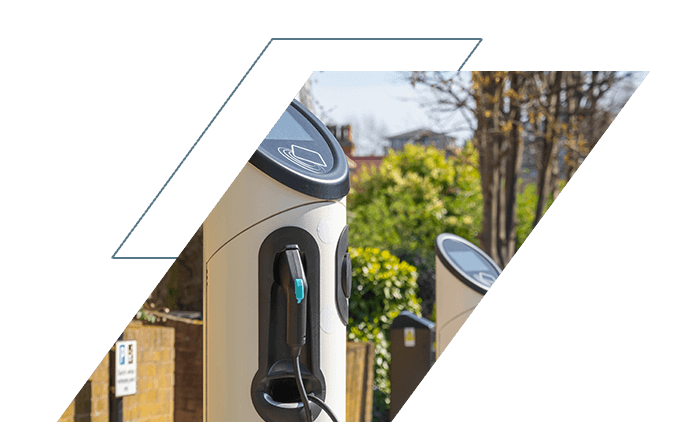
As of November 2025, there are over 87,000 public EV chargers across over 44,000 locations in the UK, so finding one near you should be straightforward.
Public chargers are either rapid or ultra-rapid, meaning you’ll be able to recharge your car in the time it takes to have a quick coffee stop at a service station.
Want to know more about home charging?
How to preserve EV battery lifespan
Looking after your EV’s battery health is key to ensuring its long-term performance and range. Most modern models are built to last and withstand normal wear and tear, but these tips can lend a helping hand:
- Charging practices – avoid frequent fast charging and keep the battery between 20–80% where possible, as overcharging can damage the battery.
- Vehicle condition – regular servicing ensures systems can prevent bigger problems from arising.
- Driving style – smooth acceleration and gentle braking reduce is not only efficient but can also prevent damage to the battery.
- Battery warranties – most warranties also cover the battery, so make sure you carefully read the maintenance and replacement terms.
By combining smart charging, careful driving, and routine checks, you can maximise your EV’s battery life and maintain consistent performance over time.
Driving an EV in winter
Cold weather can make EV batteries less efficient, but these handy tips will help to reduce the impact:
Precondition your vehicle
Most modern EVs allow you to precondition the cabin while the vehicle is still charging. This helps maintain a comfortable temperature and ensures windows are defrosted without draining the battery.
Plan ahead
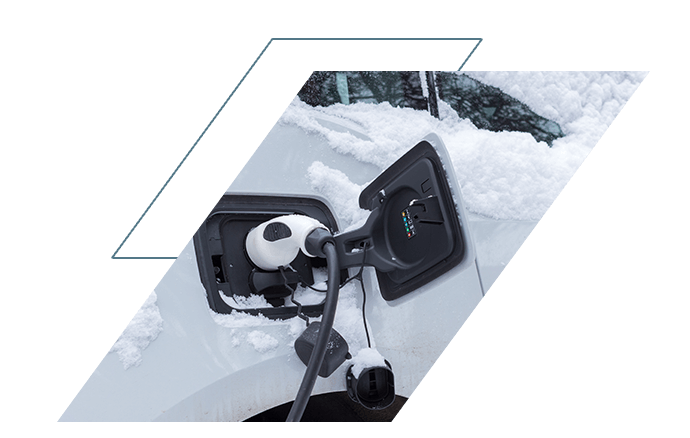
Plan your routes with charging stations in mind, especially on longer journeys. Cold weather can increase charging time due to slower battery performance.
Drive efficiently
Maximise your EVs efficiency by driving conservatively and avoiding rapid acceleration or high speeds. If your car has an efficiency mode or eco mode, be sure to take advantage of it.

Use regenerative braking
If it’s safe to do so, adjust your acceleration instead of hitting the brakes when gradually slowing down. This is known as regenerative braking, and it’s a way to reduce speed while feeding surplus energy back to the battery.

Turn on your heated seats
Heated car seats and steering wheel heaters are much more efficient than heating the car with climate controls.