
Driving an EV is much like driving a petrol or diesel car, the main difference is how you ‘fuel’ them. We’ve compiled this handy guide to give you all the information you need to make charging as easy as one, two, EV!
We’ll cover:
- Where to charge an electric car
- How much it costs to charge an electric car
- How long it takes to charge an EV
- How much it costs to fit a home charger.
Where you charge your electric car
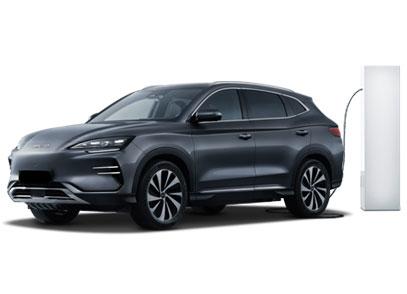
The two most common places to charge your EV are at home or at a public charging station.
Chargers can be tethered (meaning they have a built-in cable) or untethered (you need to attach your own cable to these ones).
EV batteries will have a Kilowatt-hours (kWh) rating – think of it as its fuel tank. The bigger the kWh, the further it can travel before needing to recharge.
EV chargers have a Kilowatt (kW) rating which indicates how quickly they will charge an EV. Public chargers tend to have a higher kW rating, as they’re designed for charging on the go, whereas many home chargers have a lower kW rating as they’re designed for charging overnight, so you benefit from lower energy tariffs.
Cost of charging at home
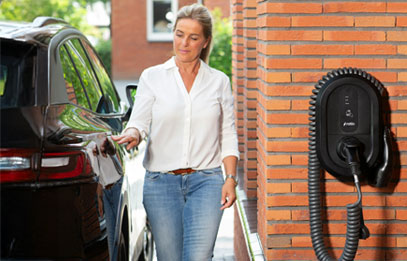
Charging your EV at home overnight usually works out cheaper than using a public charger, as you benefit from cheaper time-of-use tariffs during the off-peak hours.
The exact cost of charging at home depends on your battery size and energy tariff but should still be considerably cheaper than a full tank of fuel.
To charge an EV with a 64kWh battery from 0-100% at home costs under £18 (based on Ofgem’s capped rates for standard domestic electricity tariffs) and for many drivers this will be lower as some energy providers have reduced tariffs for overnight charging.
EV charging at home
Home chargers tend to be wall-mounted units in your garage or on an exterior wall. Some older EV models can also be charged with a 3-pin plug – but most manufacturers are phasing this out and recommend not charging them via an extension cable.
How long does it take to charge at home?
Most drivers with a home charger choose to charge their EV overnight, so you wake up with a full charge. Generally speaking, you should allow 6-8 hours for a full charge at home when using a wall-mounted charger.
Home charging top tips
EV charging at work
Several workplaces, especially if they offer EVs through company car or salary sacrifice schemes, have invested in installing chargers — so you can top up your car’s battery whilst in the office.
Plus, office-based chargers are becoming even more common due to businesses being able to access government funding through the Workplace Charging Scheme. The scheme is open to businesses, charities, and public sector organisations.
Depending on the chargers at your workplace, you may need to bring your own cable or book in advance — your employer will be able to advise you on this.
How long does it take to charge at a public charger?
Public charging stations are great for topping up on the go. There are currently over 86,000 chargers at over 44,000 locations.
Most public chargers have either a rapid or ultra-rapid speed, with some of the newer models being able to charge a car in 15minutes. However, as a rule of thumb, it’s a good idea to allow at least 30 minutes for topping up your battery at a public charger.
Not all public chargers are tethered, so it’s best to keep a spare charging cable in your car.
Cost of public chargers
Some businesses, shopping centres, and public facilities offer free or discounted charging as a perk for customers — you can use apps like PlugShare or ChargePoint to find these stations in your area.
Charging cost varies between models, battery sizes, and the charger speed, but for an average EV a charge will cost around £40 at a rapid charger. You can also check the cost of charging a specific EV with the Zapmap public charging calculator.
How long does it take to charge at work?
This depends on your workplace’s chargers. Most businesses in the UK opt for fast chargers, which can charge an EV in 3-5 hours.
How to pay for EV charging at public charging stations
Paying for EV charging at a public charging station is quick and straightforward. The options usually include contactless payments, through a debit or credit card, or your smartphone, or paying directly through the app you’re using or a fuel/RFID card.
Some public chargers also have a unique location code on them, which you can usually use to make a payment on the website for the charging network — or you might find you simply need to scan a QR code to access the payment link.
If you’re planning a long journey, it’s worth checking which public chargers are on your route so you can schedule breaks along the way.
Which chargers can your EV use?
Most modern EVs can use any type of charger, including the newer Tesla superchargers (Zapmap will tell you if you can use the ones near you).
Most cars with Type 2 chargers can also use CSS and CHAdeMO connectors (these are rapid chargers). If you have an older car with a Type 1 charger, it’s worth investing in an adapter to broaden your charging options.
Types of EV chargers
Explore our guide on EV charging cables and adapters for all the information you need.
The Cost of Fitting an EV Charger
Fitting an EV charger at home or at your business makes charging your EV even more convenient and cost-effective.
Home Charging Point
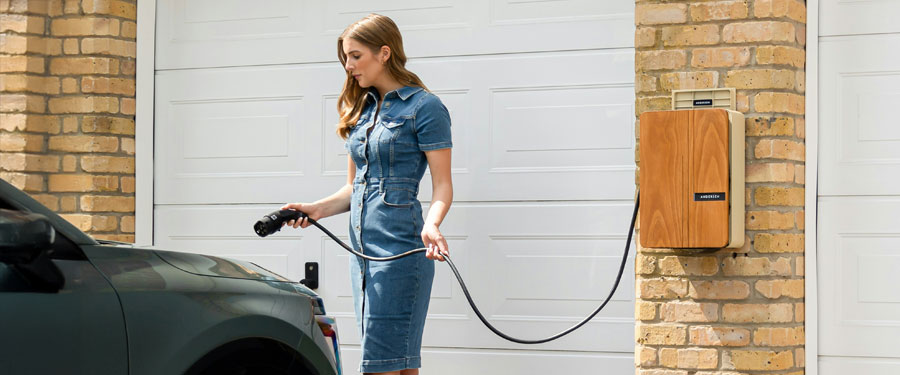
Installing a mid-range electric car charger at home typically costs between £800 and £1,200, and many suppliers offer the option to pay in monthly instalments. Basic entry level chargers start at around £500 – these chargers still have overnight charging options but come with fewer smart features.
You might also be eligible for the Electric Vehicle Chargepoint Grant. If so, the Government will contribute up to £350 towards the installation of your EV charger.
There is specific eligibility criteria, but there’s funding available for both renters and homeowners, with options for chargers fitted on private off-street parking, as well as funding for cross-pavement solutions, like charging gullies.
How to apply for an EV Home Charge Grant
For more information, take a look at our article on how to apply for an EV home charge grant.
Business Charging Point
EV charger installation costs for businesses are similar to those for home chargers (but sometimes slightly higher). As we mentioned earlier, there’s funding available for businesses, charities, and public sector organisations looking to install charging infrastructure on site.
There’s also a specific grant available for education settings, like state-funded schools, which can apply for a contribution of up to £2,500 per charge point socket.
Electric charging FAQs
To find EV charging stations near you, there are several different mobile apps you can use, including the likes of Electroverse, Zapmap, PlugShare, ChargePoint or even Google Maps. These apps will also allow you to see if the charging stations near you are compatible with your car. Most modern cars also show chargers on the sat nav too.
Yes, both EVs and EV charging systems are built to withstand a range of weather conditions, including rain.
You can charge your EV in the rain with complete peace of mind, knowing that the charging points themselves are water-resistant, while the cables and their connectors are generally weatherproof. If you really want to check how water and dust resistant a charger is, you can find the charger’s IP code and look up what level of protection it signifies.
Yes, it’s perfectly safe to turn on your EV while it’s charging. The powertrain of the vehicle is disabled when it’s plugged in, but you should still be able to use any in-car infotainment, change the climate control settings and access navigation applications.