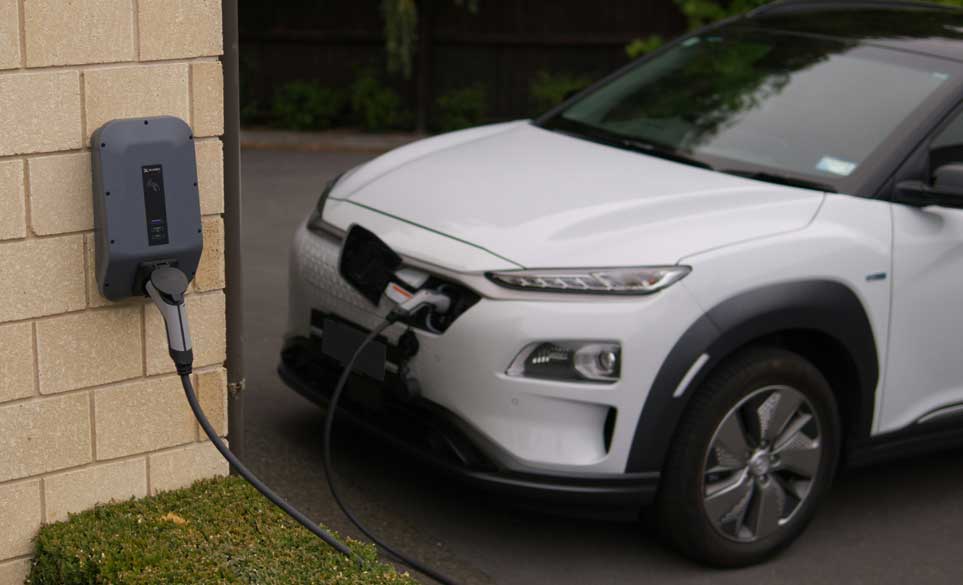
Thinking of switching to an electric car? As you’ve been scoping out your options, it’s likely that you’ve been weighing up whether EVs are cheaper to run than petrol or diesel cars.
And in short, yes. One of the most attractive things about EVs are the savings you’ll make with all the running and in-life costs.
This guide will give you an overview of the costs and benefits of driving an EV, looking at:
- Fuel
- Tax
- Maintenance
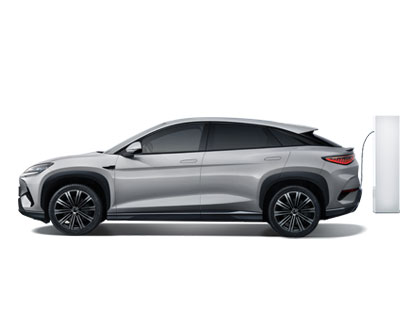
How much does it cost to run an electric car?
First and foremost, fuelling an EV is cheaper than fuelling a petrol or diesel car. In fact, in our 2025 EVXperience report, 55.2% of drivers said they selected an EV because the cost of refuelling is less than a petrol or diesel vehicle.
We’ve compiled all the ins and outs of EV charging in our ultimate EV charging guide, but in a nutshell:
Driver Hub
Electric driving guides
Want to read more on electric vehicles? Check out our driver hub for more EV driving guides and insights.
Is servicing and maintenance cheaper for an EV?
Generally speaking, the servicing and maintenance of EVs tends to be cheaper as no oil changes are needed, there are fewer moving parts, and they are usually newer models.
Plus, maintenance and servicing are covered in Zenith’s all-inclusive* package for salary sacrifice and company car customers.
How can I save on tax with an electric car?
If you’ve got your EV through a salary sacrifice scheme, you’ll pay less Benefit-in-Kind (BiK) tax than if you opted for a petrol or diesel car. Our Benefit-in-Kind driver guide breaks down all the ins and outs of how BiK works across different tax brackets. Salary sacrifice schemes also reduce your National Insurance and Income Tax contributions, making it a cost-effective way to drive.