
Fleet industry highlights
As we move further into 2026, fleet operators are navigating a rapidly evolving environment, shaped by new charging regulations, tightening ZEV mandates, and important updates for both van and goods vehicle operations. Below is a summary of the latest developments which happened in February, and what they mean for you and your fleet.
Charging infrastructure
Reliability rules are raising the bar
Charging infrastructure is entering a new era of consistency and performance, as the UK now requires rapid public charging networks to maintain at least 99% uptime – a standard that only a small proportion of networks are currently achieving.
Real time data is becoming mandatory across charge point operators, covering pricing, availability, and location accuracy, helping drivers plan with more confidence. New signage rules will also restrict official motorway and A-road wayfinding sites offering toilets, hot food, and two hours of free parking, meaning some existing charge points may lose official visibility despite remaining operational.
These changes signal a shift towards predictability and transparency, supporting fleets that depend on reliable charging to manage downtime, and keep operations running smoothly.
More on the new rules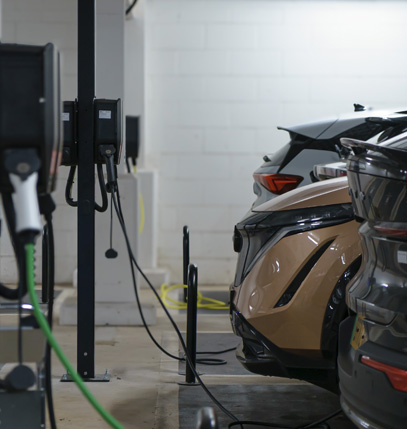
Electric vans: BVRLA’s Van Plan highlights the next phase of adoption
The BVRLA has recently updated its Zero Emission Van Plan, with early 2026 data highlighting policy progression. However, real world e-van uptake still trails what’s needed to meet ZEV targets. Plug-in Van Grant extensions, reduced regulatory barriers, and depot charging support have made a difference, but adoption still remains below the trajectory required to meet the 70% ZEV target by 2030.
The plan points to three priority areas for unlocking progress: public charging designed with vans in mind, fairer alignment between public and private charging costs, and strengthened support for the used van market.
Find out what's next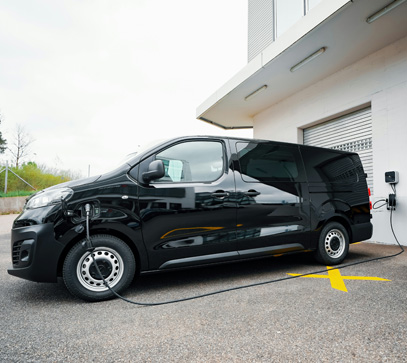
Zero-Emission Goods Vehicles: Regulatory flexibility incoming
Draft legislation due in the coming months will simplify the rules for 3.5-4.25t zero-emission goods vehicles. These vehicles will move to Class 7 MOT regime and gain exemptions from tachographs and drivers’ hours rules. Bringing heavier ZEVs closer in line with ICE equivalents reduces operational barriers and strengthens the case for electrifying higher payload use cases.
Behind the headlines
Deloitte wins first-tier tribunal case on 5% public charging
A first-tier tax tribunal has ruled that public electric vehicle charging can qualify for the reduced 5% VAT rate, not the standard 20%, when
certain conditions are met.
Deloitte, acting for Charge My Street, argued that existing VAT law already treats electricity supplies of less than 1,000 kWh per month, at a given premises, to a person as “domestic supply”, which is taxed at 5% VAT.
The tribunal agreed, which opens the door for charge point operators and networks to charge 5% VAT instead of 20% on qualifying sessions. This is a major change because HMRC has always insisted that public charging must be taxed at 20%.
So, is this change for all public charging?
Not yet, but it potentially could be. There is no immediate price change as HMRC has a the 56 day appeal window.
- If HMRC does not appeal, the 5% VAT rate could begin applying as early as April/May 2026
- If HMRC appeals, any customer facing changes will be delayed until the legal process ends which is likely to push this out to 2027
We will keep you updated as developments unfold.
Read more from Zenith

LCV
A guide to LCV fleets
Industry
Industry Insights – January 2026
Industry