As first seen in the Yorkshire Post
Climate change is often framed as an environmental issue. In reality, it is much broader than that. It is an economic issue, a business issue, and a question of how we build a prosperous and resilient future for Yorkshire.
The effects of climate change are no longer distant risks. This year alone, the UK experienced its hottest summer on record, with an average summer temperature of 16.5°C, surpassing the previous record set in 2025. Temperatures reached 38.2°C in August, while 54 weather stations recorded their highest-ever daily temperature across the season. The summer also brought prolonged drought conditions, with much of England affected by exceptionally dry weather and water shortages.
Scientists at the Met Office concluded that a summer like 2026 is around 130 times more likely because of human-induced climate change.
For Yorkshire, the challenge is particularly significant. Our region has a proud industrial heritage and a diverse economy spanning manufacturing, logistics, agriculture, technology, and professional services. Each sector will have a role to play in the transition to a lower-carbon future.
The good news is that Yorkshire businesses are not standing still. Across the region, organisations are investing in new technologies, developing more sustainable ways of operating, and finding innovative solutions to reduce their environmental impact. This is not simply about meeting targets. It is about creating long-term value, improving resilience and remaining competitive in a rapidly changing economy.
At Zenith, we see this firsthand through our work helping organisations decarbonise road transport. As the UK’s highest-emitting sector for more than a decade, transport remains central to the country’s net zero ambitions. Making the transition to lower-emission vehicles is a critical part of the journey and encouragingly, momentum is building.
Nonetheless, while business investment is essential, industry cannot achieve the transition alone. Continued collaboration between businesses, government, and local authorities will be vital to accelerate progress.
We have seen how supportive policy can drive change, particularly in encouraging the adoption of electric vehicles. The challenge now is ensuring that sustainable choices become affordable and accessible for everyone. Developing a stronger used electric vehicle market, investing in charging infrastructure, and creating policy based on real-world evidence are vital steps to ensuring a commercially successful and equitable transition to net zero for the automotive industry.
Collaboration is also central to any success. At Zenith, we work closely with customers, suppliers and industry partners because sustainability does not stop at organisational boundaries. Whether through sharing knowledge, improving supply chain performance, or helping colleagues and partners build greater climate awareness, collective action consistently delivers greater impact.
This is why forums such as the Yorkshire Post Climate Change Summit matter. They bring together organisations facing similar challenges and create opportunities to share ideas, learn from best practice and build partnerships that drive meaningful change.
The transition to net zero represents one of the greatest economic opportunities of our generation. For Yorkshire, it offers the potential to attract investment, create skilled jobs, improve energy security and strengthen the competitiveness of our region.

The decisions we make today will shape Yorkshire for decades to come. By embracing innovation, maintaining ambition and working together, we can ensure the region remains a great place to live, work, and do business while building a more sustainable future for generations to come.
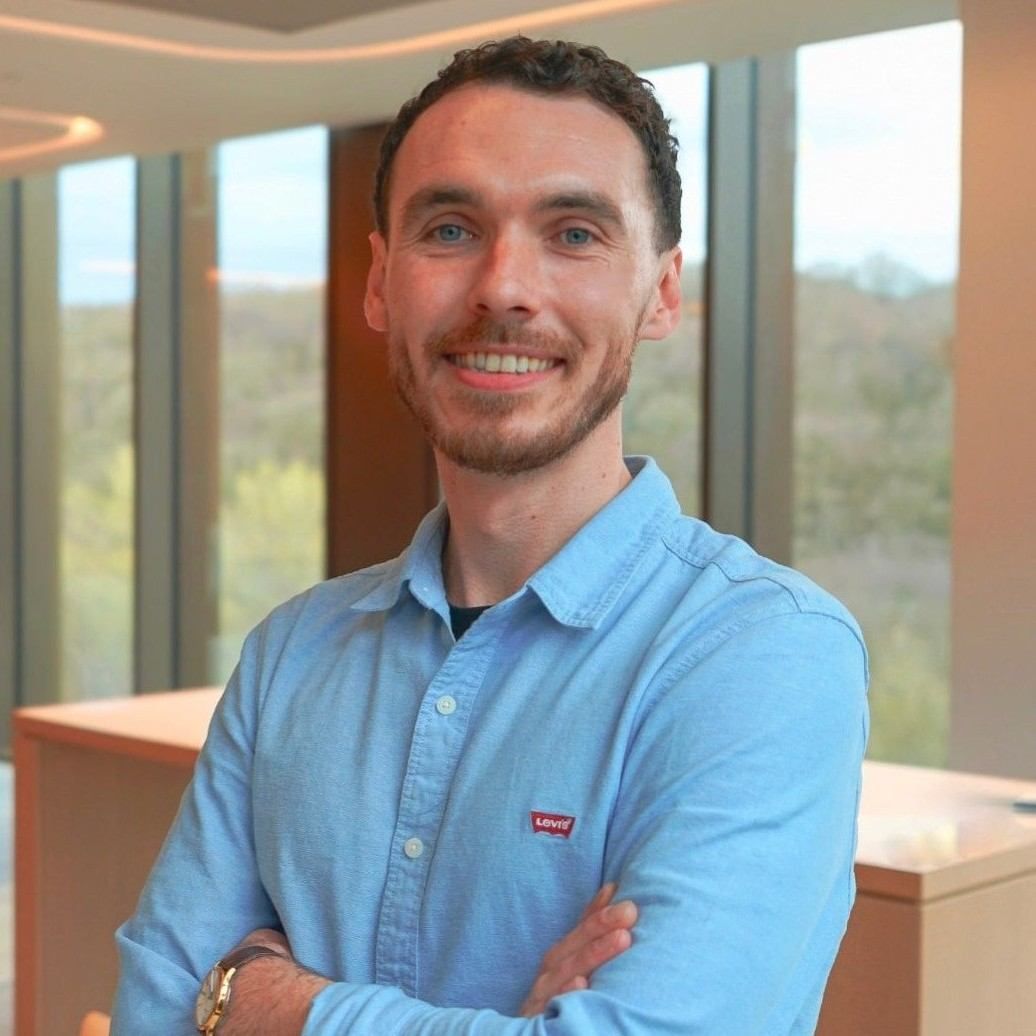
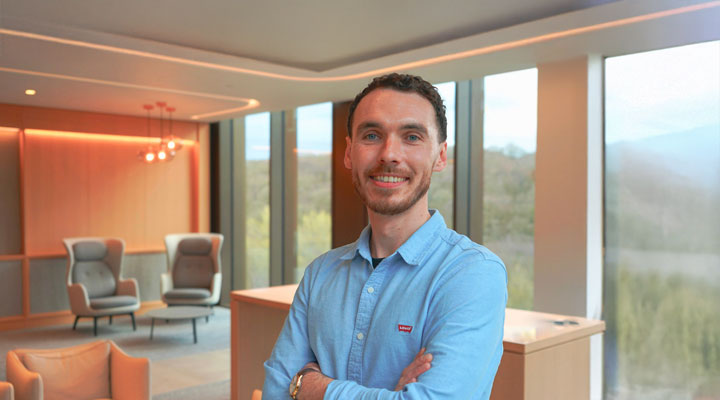
Mark Wilson
Sustainability Manager
Topic: Sustainability
Mark Wilson is Sustainability Manager at Zenith, leading the design, delivery, and reporting of the organisation’s sustainability strategy.
His role spans stakeholder engagement, oversight of Task Force on Climate-related Financial Disclosures (TCFD), Science Based Targets initiative (SBTi) net zero target-setting, and the delivery of carbon literacy training.
With a strong focus on embedding sustainability across business operations, Mark works to ensure measurable impact, transparency, and alignment with evolving environmental standards and expectations.
Mark is able to speak on sustainability strategy, net zero target-setting, climate risk, stakeholder engagement, and how organisations can embed and report on credible, impactful environmental initiatives.