
Looking for your next car? With the upcoming ban on internal combustion engines (ICE), chances are you’ll have seen the words ‘electric vehicle’ (EV) or ‘plug-in hybrid electric vehicles’ (PHEV) floating around.
You know that electric car options are better for the environment than petrol or diesel cars, but what actually is the difference between an EV and PHEV?
This guide will break down the key differences, so you have all the information you need to find a car that suits your lifestyle.
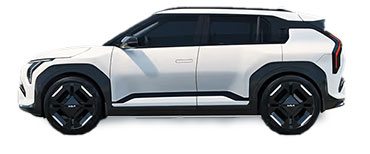
EV vs PHEV at a glance
Lower running costs
EVs run solely on an electric battery, which means their running and in-life costs are lower – especially when you schedule home charging around low overnight tariffs. Most modern EVs can travel hundreds of miles on a single charge, but make sure to plan where you’ll charge if you are traveling long distances or are away from home.
Stepping stone into an EV
PHEVs have a battery and an engine, so you can top up the fuel at home, charging stations, or petrol stations. Their batteries are less powerful, so for most people the bulk of driving will still be powered by the engine - but they’re a good stepping stone for people wanting to reduce their emissions.
What is an electric vehicle?
An EV refers to any vehicle powered entirely by an electric battery, meaning it requires no petrol or diesel to run.
Charging your EV
Check out our ultimate charging guide for the run down on everything you need to know about charging an EV.
Pros & cons of an EV
Some of the key benefits of driving an EV are:
- Lower running costs – home charging makes is not only convenient, but cost-effective, especially with the lower overnight tariffs.
- Lower maintenance costs – with fewer moving parts than an ICE vehicle, there’s less wear and tear over time. Plus, if you get an EV through a salary sacrifice car scheme with Zenith, maintenance, servicing, and repairs are included.
- Reduced emissions – with zero tailpipe emissions, you can get from A to B the green way.
- Financial incentives – EVs have lower road tax, and there are a range of grants that make them more financially accessible. Plus, if you opt for an EV via a salary sacrifice scheme, you’ll pay less Benefit-in-Kind (BiK) tax than if you’d chosen an ICE vehicle.
Something to bear in mind is planning charging breaks when you’re travelling long distances. Apps like ZapMap will tell you where the chargers are on your route. It’s best to set aside at least 30 minutes for topping up the charge – which will give you the chance to rest, stretch your legs, and grab a coffee before the next leg of your journey.
What is a plug-in hybrid (PHEV)?
PHEVs are powered by an electric battery and an engine that needs either petrol or diesel. Think of them as a stepping stone between a traditional ICE vehicle and an EV. The car will run off the electric battery but switch to the engine when the battery runs down.
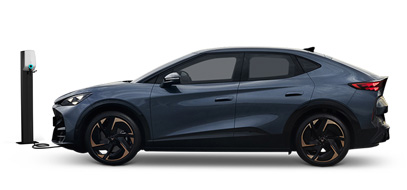
Pros & cons of a PHEV
Some of the perks of driving a PHEV are:
- Reduced running costs – due to the electric battery, the cost of petrol or diesel is less than if you were driving a traditional ICE car.
- Flexibility – top up the fuel at home, a public charger, or petrol station.
- Financial incentives – until April 2028 PHEVs have lower BiK rates.
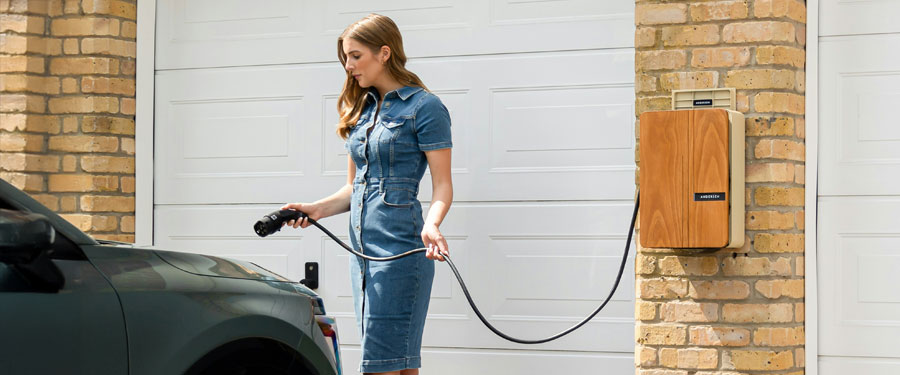
Some things to consider before opting for a PHEV:
- Cost – due to having both an engine and an electric battery, PHEVs are generally more expensive than traditional petrol or diesel cars or EVs.
- Maintenance – again, due to having both an engine and battery, the maintenance of a PHEV can be more expensive. However, if you opt for a PHEV via salary sacrifice with Zenith, maintenance is included in your all-inclusive* package.
- Limited EV range – the bulk of your driving will still be powered by the engine as PHEVs have a lower range than solely electric cars.
- Reduced space – PHEVs are less spacious as the battery takes up space in the boot or underfloor space.
EV and PHEV comparison
| EV | PHEV | |
|---|---|---|
| Fuel cost | Significantly cheaper than a petrol or diesel car. | Due to the boost from the battery, fuel costs tend to be less expensive than a solely petrol or diesel car. |
| Maintenance | EVs are generally less expensive to maintain as there are fewer moving parts. | Can be more expensive due as there are more parts than an electric or ICE car. |
| Grants and financial incentives | A range of grants are available as well as reduced road and BiK tax. | Until April 2028, PHEVs have lower BiK. |
| Emissions and battery range | Zero tail pipe emissions and most modern EVs can manage hundreds of miles on a single charge. | Fewer emissions than a typical ICE car but the majority of drivers rely on the engine rather than the battery. |
Should I choose an EV or PHEV?
Both EVs and PHEVs come in a range of styles and sizes and will suit the day-to-day needs of most people. If you want to reduce your emissions and have lower running costs and BiK rates, then opt for an EV. If having a wider range of fuelling options are higher up on your priority list, then go for a PHEV.
Fuss-free driving
Smarter Salary Sacrifice
Getting a new car is easy with salary sacrifice. Our all-inclusive* package bundles all the aspects of running a car into one simple cost - saving you time and money.