
Electric vans are rapidly becoming the vehicle of choice for many businesses, especially those operating in urban environments or Clean Air Zones.
Although the impact is small, harsh weather conditions can impact battery range. Our team have compiled their top tips for keeping eLCVs running smoothly all year round.
How does weather affect electric van performance?
Unlike conventional vehicles, electric vans rely on battery temperature and energy management systems, both of which can be influenced by external conditions. As a result, battery range, efficiency, and charging times can be impacted.
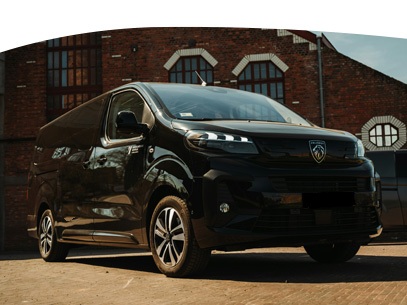
Generally speaking, extreme cold temperatures can reduce battery range by approximately 20-30% and extreme heat can impact it by 10-20%.
How does winter weather impact range?
Winter weather typically has the biggest impact on eLCV efficiency.
If available on your van, choose a lower regeneration level when driving on snow or ice. Excessive regeneration can negatively affect driving behaviour on slippery surfaces. Some manufacturers offer adaptive regeneration, and it is worth checking the owner’s manual to see whether it should be deactivated in icy conditions.
Top tip
A few models even provide a dedicated snow or winter mode. On slippery roads, it is often safer to control deceleration manually rather than relying on software.
How does summer heat affect electric vans?
While summer conditions can be less demanding than winter, high temperatures can still influence electric van performance.
How can drivers improve range in different seasons?
Adapting driving habits and vehicle use to suit seasonal conditions can help maintain efficiency no matter the weather.
Pre-heating or pre-cooling the cabin while the van is still plugged in helps reduce battery strain. Also, using seat heating, if available, in winter or moderating air conditioning use in summer can reduce overall energy demand.
Smooth driving helps maximise efficiency and makes better use of regenerative braking.
Being aware of charging locations and planning stops in advance can be beneficial when driving in harsher weather conditions. We recommend downloading ZapMap to find chargers near you or on your route.
Tyre pressure can fluctuate with temperature changes, so keeping tyres properly inflated helps improve efficiency and safety.
It’s recommended that you charge your eLCV immediately after finishing a long journey as the van and battery are already at operating temperature, which can improve charging performance and preserve battery health.
Most electric vans have an Eco Mode, which limits heating power and ensures a smoother response from the accelerator pedal. The latter reduces or even prevents wheel spin, saving energy and enhances driving safety on slippery roads.
What does seasonal driving mean for fleets?
If you’re a business with electric vans in your fleet, a few small changes can help keep operations running smoothly.
- Adjusting route planning in winter: reduced range in colder conditions may require route adjustments, additional charging stops, or revised scheduling.
- Charging schedules in peak weather periods: managing when and how vehicles are charged can help optimise performance, particularly during extreme temperatures.
- Monitoring seasonal energy consumption: tracking usage patterns across seasons helps identify trends and improve operational efficiency. For example, you may choose to adjust your fleet size with rental vehicles
- Supporting drivers with seasonal EV guidance: providing drivers with clear guidance on best practices ensures consistent performance and helps maximise vehicle range throughout the year.
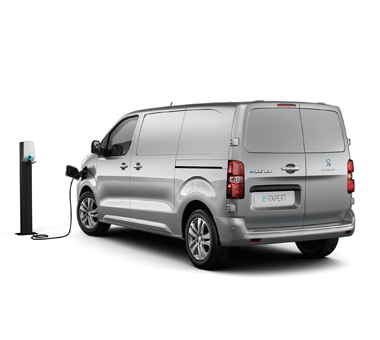
It’s important for both drivers and businesses to understand how weather conditions can affect range, charging, and efficiency. By adapting to changing temperatures and planning ahead, electric van users can maintain consistent performance throughout the year.
Zenith supports businesses with expert guidance on electric vehicle suitability, charging strategies, and fleet planning, helping drivers stay productive and confident in every season without compromising operational performance.
LCV fleets
With our specialist LCV teams, excellent vehicle availability, and transparent policies – we’re here to get you the right vans for the job.
A guide to LCV fleets
Everything you need to know about vans to drive your business forward. Learn how to choose the right LCV for your fleet and how to manage LCV fleets efficiently.