Understanding how EV batteries work, how long they last and what affects their range can help drivers get the most from their car and make charging and maintenance straightforward. In fact, Zenith’s most recent EVXperience report highlighted EVconfidence and satisfaction, with 72% of drivers stating they wouldn’t go back to a petrol or diesel car.
For businesses with EVs in their fleet, battery performance also plays a key role in fleet efficiency, operating costs, and long-term fleet planning. This guide explains everything drivers and businesses need to know about EV batteries, from battery lifespan and degradation to charging best practices and future battery developments.
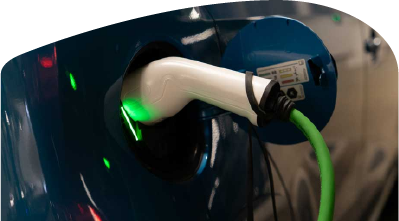
What Is an EV battery and how does it work?
Unlike a traditional petrol or diesel vehicle, which generates power through combustion, an EV stores electricity in a large rechargeable battery and uses that energy to power an electric motor.
Battery capacity is measured in kilowatt-hours (kWh) and indicates how much energy the battery can store. A larger battery capacity provides greater driving range, whilst a smaller battery capacity may reduce vehicle weight and cost. Range can also be impacted by driving style, weather, terrain and vehicle load.
Most modern electric cars use lithium-ion battery technology, which store energy chemically and release it as electricity when the car is driven. When the accelerator is pressed, electricity flows from the battery to the electric motor. The motor converts electrical energy into mechanical energy, which drives the wheels. Electric motors also deliver instant torque, meaning EVs often feel more responsive and smoother to drive than conventional vehicles.
Every EV includes a Battery Management System (BMS), which acts as the battery’s control centre.
The BMS helps to:
- monitor battery temperature
- manage charging
- protect long-term battery health.
Without the BMS, battery performance and longevity would be significantly reduced.
How long do EV batteries last?
Modern EV batteries are designed to remain reliable for many years and hundreds of thousands of miles. Most EV manufacturers provide battery warranties of around eight years or 100,000 miles. These warranties typically guarantee the battery will retain a minimum percentage of its original capacity during the warranty period. For most drivers, battery longevity is unlikely to become a significant issue during the typical vehicle ownership or fleet replacement cycle.
While performance will gradually decline over time, batteries rarely stop working suddenly. Instead, they experience a slow reduction in capacity known as battery degradation.

What affects EV battery performance?
Factors that impact an EV’s range include:
- Extreme temperatures: both very hot and very cold temperatures can reduce overall battery efficiency –keeping your car in a sheltered spot is advised.
- Driving style: aggressive acceleration and high-speed driving consume more energy, so opt for smoother, gentler driving.
- Vehicle load and payload: the heavier the vehicle, the more energy needed for it to move. This includes the number of passengers and the weight of the cargo you may be transporting.
- Regenerative braking: regenerative braking captures energy normally lost during braking and returns it to the battery. As well as reducing wear and tear, it can extend an EV’s range.
- Motorway vs urban driving: higher motorway speeds consume more energy than lower-speed urban driving. Urban journeys are more efficient due to their lower average speeds, stop-start traffic, and increased regenerative braking opportunities.
- Frequent rapid charging: rapid charging offers convenience, particularly for long journeys, but relying on it exclusively may increase battery wear over time.
Want to know more? Check out our Ultimate Guide to EV Range
How can drivers maximise battery life?
Although modern EV batteries are designed to last, following a few simple habits can help maintain performance, reduce costs, and maximise electric car battery lifespan.
Why does battery health matter for businesses?
Battery performance affects far more than driving range. For organisations operating EVs, battery health can directly influence fleet efficiency, running costs, and strategic decision-making.
- Vehicle availability: healthy batteries help ensure vehicles remain operational and capable of completing required journeys without unnecessary downtime.
- Residual values: battery health is a key consideration in used EV valuations. Vehicles that retain strong battery performance may command higher residual values, helping businesses optimise whole-life cost calculations.
- Fleet replacement planning: understanding battery performance data allows businesses to make more informed decisions about replacement cycles, lease lengths, fleet size, and vehicle allocation.
- Supporting fleet electrification strategies: battery performance data helps organisations assess vehicle suitability whilst reducing operation risk and improving route planning.
- Choosing the right battery capacity: a battery that’s too small may limit operational flexibility, while an oversized battery could increase acquisition costs unnecessarily.
How Zenith helps businesses manage electric vehicle fleets
Successful fleet electrification requires more than simply replacing petrol or diesel vehicles with EVs. Businesses need a clear understanding of vehicle suitability, battery performance, lifecycle costs, and long-term operational requirements.
Zenith supports organisations throughout their electrification journey from procurement to charging and infrastructure support to fleet monitoring and reporting, ensuring that their fleet aligns with their wider operational goals.

Final thoughts
Modern EV batteries are engineered to deliver dependable long-term performance, meaning drivers do not need to worry about long-term battery health. Everyday driving habits, charging practices, and environmental conditions typically have a much greater influence on battery health than vehicle age alone.
For businesses, understanding how long an electric car battery lasts, monitoring battery health, and selecting vehicles with appropriate battery capacities can improve fleet efficiency, reduce operating costs, and support more effective long-term planning.
A beginner's guide to driving an EV
This beginner’s guide will tell you everything you need to know about how to drive an electric car, understanding EV range and EV charging.
FAQs
Most modern EV batteries are expected to last between 10 and 20 years, with many remaining highly usable well beyond typical ownership periods.
Yes, all batteries experience gradual degradation, meaning they slowly lose some capacity as they age. However, the degradation is often so small that most drivers will not be impacted.
Yes, EV batteries can be repaired, refurbished, or replaced if required, although complete replacement is uncommon.
Battery degradation is the gradual reduction in a battery’s ability to store energy, which can lead to a small reduction in available driving range over time.
Occasional rapid charging is unlikely to cause significant harm. However, frequent reliance on rapid charging may contribute to slightly faster battery degradation compared to slower charging methods.
Even when a battery reaches the end of its automotive life, it can still retain considerable storage capacity. Battery recycling allows valuable materials like lithium, nickel, cobalt, and copper to be recovered and reused in future battery production.
Many batteries that no longer meet vehicle performance requirements can be reused for energy storage systems, renewable energy projects, and grid balancing applications.
Written by: Zenith Editorial & Insights Team
Reviewed by: Customer Service
Last reviewed: September 2026