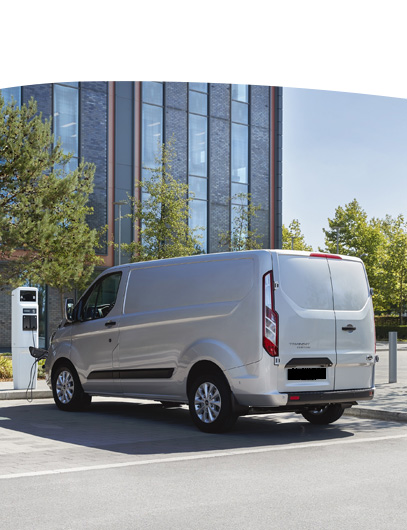
Electric light commercial vehicles (eLCVs) are a popular type of van for businesses, especially for those in the delivery and courier services sector and those operating in urban areas due to the Clean Air Zone charge exemptions.
They offer a sustainable alternative to diesel vans and can be tailored to meet specific operational needs. From mobile workspaces to temperature-controlled transport, eLCVs offer a flexible platform for specialist adaptations, without compromising on usability or performance.
Why are businesses adapting electric vans?
The adoption of electric vans for business use has been accelerated thanks to their exemption from Clean Air Zone-related charges and the fact they can be customised to meet a wide range of operational needs. Vehicle adaptations are not just about convenience, they can improve safety, compliance, and efficiency. For example:
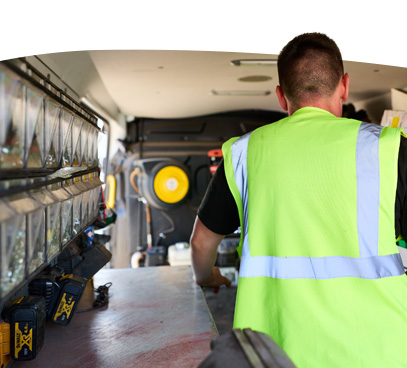
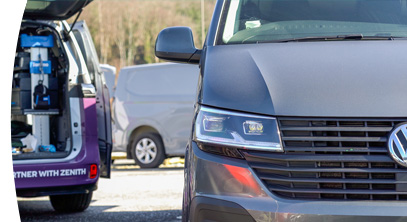
As well as customising the interiors, eLCVs can be adapted with full vehicle wraps, industry-specific signage, and professional interior layouts for customer interaction.
eLCV vehicle-to-load benefits
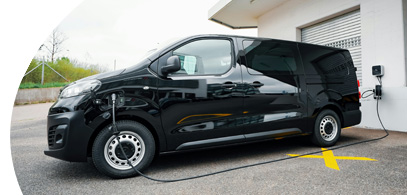
Vehicle-to-load (V2L) is a feature that many modern electric vans have that allows them to act as a mobile power source, supplying AC electricity to external devices straight from their battery. This is especially beneficial for businesses operating in areas without grid access.
Standard V2L typically delivers 1.5-1.9kW, ideal for laptops, power tools, lights and small appliances.
Premium V2L, found in vans such as the Kia PV5, can provide up to 3.6kW, enough to support heavier tools like commercial chop saws, air compressors, and welding equipment, electric grills, or multiple devices at once. A 3kW diesel generator requires fuel, maintenance, and compliance checks, whereas V2L offers a silent, emission-free alternative.
How are electric vans used for delivery and logistics?
The delivery and logistics sector is one of the largest adopters of electric vans, particularly in urban environments.
Cargo management and shelving
Efficient cargo space maximises payload efficiency and streamlines workflows for drivers. Businesses may want to consider adaptations such as modular shelving and racking systems, load securing solutions, and partitioning to separate goods.
Refrigerated and temperature-controlled options
For sectors such as food delivery and pharmaceuticals, electric vans can be equipped with refrigeration units. Modern systems are designed to work efficiently alongside the vehicle’s electric powertrain, maintaining temperature control without significantly impacting usability.
Last mile delivery suitability
Electric vans are particularly well suited to last mile delivery, thanks to their instant torque for stop-start driving, lower running costs compared to diesel, and quiet driving – especially beneficial for driving in residential areas.
Can eLCVs support mobile services and specialist industries?
Beyond logistics, electric vans are increasingly used as fully equipped mobile workspaces across a range of industries.
Final thoughts
eLCVs can be adapted to meet specific operational demands without compromising efficiency or usability.
With expert support from Zenith, businesses can confidently transition to electric fleets, ensuring their fleet is aligned with their current and long-term goals. Through tailored advice on vehicle selection, adaptation, and fleet planning, Zenith is the trusted partner to some of the biggest names on the road, providing practical, flexible, and sustainable fleet solutions.
FAQs
Yes, electric vans can typically be converted and adapted in similar ways to diesel vans, including shelving, refrigeration, and specialist equipment installations.
Some adaptations, particularly those requiring additional power such as refrigeration, can have an impact on range. However, many systems are designed to minimise this effect, and proper planning can ensure vehicles remain fit for purpose.
Yes, electric vans can support construction and trade businesses with appropriate adaptations such as reinforced storage, tool racking, and payload optimisation. Route planning and charging considerations are important for maintaining efficiency.
Yes, Zenith provides guidance on both eLCVs and internal combustion engine (ICE), helping businesses select and adapt vehicles to meet operational needs, compliance requirements, and sustainability goals.