Choosing the right van is the crucial first step in ensuring your fleet is productive and efficient.
Our LCV specialists will find you the best vans for the job, overseeing procurement and build management, as well as all in-life services, so you get a fleet you can rely on.
To help you get started, here are some of the features you’ll need to consider.
Understanding operational requirements
Before looking at engine types, vehicle sizes, or specifications, you need an understanding which vans suit your operational needs.
Type of work
Your day-to-day work will be one of the biggest influences on the type of van you choose:
- Trades and service businesses benefit from vehicles that can support tools, equipment, and modular storage.
- Delivery and courier services require the right blend of payload, volume, and accessibility.
- Construction or utilities teams may need more robust vehicles capable of handling demanding conditions or off‑road environments.
Mileage and routes
Daily mileage and the nature of your routes can influence what kind of powertrain is most suitable. Understanding route type, stop-start frequency, and average daily mileage is essential to making the right choice.
- Electric vans (eLCVs) are best on predictable, shorter routes with access to charging infrastructure.
- Diesel vans remain efficient for long distances, heavy loads, and rural driving.
- Plug-in hybrid electric vehicles (PHEV) are a good stepping stone between electric and diesel vans and are particularly practical for businesses operating in Clean Air Zones.
- While petrol vans aren’t very common now, they may be suitable if your team are only driving short distances.
Load and cargo requirements
Consider both payload weight and cargo volume, as these can vary significantly between LCV models.
Think about:
- Daily load weight
- Cargo shape and dimensions
- Internal racking or shelving
- Pallet compatibility
- How often cargo is loaded and unloaded
Specifying these features correctly ensures you avoid under‑ or over-sizing, both of which can impact cost and efficiency.
What’s the best LCV size for your business?
Some of the key benefits of LCVs are their versatility and the range of sizes available.
Small vans
Best for: urban deliveries, small trades, last mile logistics, and businesses operating in tight environments.
Advantages:
- Easy to manoeuvre
- Lower running costs
- Efficient in city centres and low emission zones
- Ideal for lightweight cargo
Medium vans
Best for: businesses needing a balance of cargo space, comfort, and practicality.
Advantages:
- Versatile, modular storage options
- Suitable for mixed urban–rural routes
- Ideal for tradespeople, service engineers, and delivery services
Large vans
Best for: heavy loads, bulky materials, or operators requiring maximum cargo space.
Advantages:
- High payload and volume
- Flexible for racking and workshop conversions
- Suitable for long-distance logistics and mobile workshops
Assessing cargo space and practicality
Beyond size alone, evaluate how well the LCV supports your everyday operations:
- Payload capacity vs. typical load weight
- Driver and user safety measures, including safe storage and access to equipment
- Internal cargo volume and usable space
- Side and rear door access
- Loading height
- Compatibility with equipment or racking systems
Getting this right helps ensure safety, regulatory compliance, and long-term performance.
LCV technology and driver comfort
Modern LCVs include features that enhance productivity, support safety, and improve driver wellbeing. Better-equipped vehicles can support driver retention, reduce downtime, and improve operational visibility.
Consider:
- Advanced driver assistance systems (ADAS)
- Connected vehicle technology and telematics
- In‑cab storage and ergonomics
- Climate control and comfort features
- Infotainment and navigation tools
Selecting a powertrain
Choosing the right powertrain for your business depends on your day-to-day operational needs and long-term sustainability goals.
Electric vans (eLCVs)
Best for predictable routes, low emission zones, and organisations working toward sustainability targets.
Advantages:
- Zero tailpipe emissions
- Lower operating costs
- Quiet driving and reduced maintenance
- Benefit-in-kind (BIK) and tax advantages
Popular models:
- Renault Master E-Tech: with a maximum range of 285 miles and 1625kg payload, this mighty eLCV was crowned the 2025 International Van of the Year.
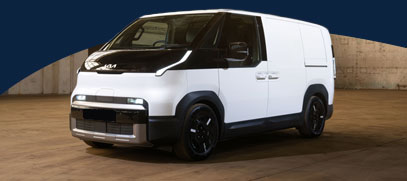
- Kia PV5 Cargo: as well as boasting a 7-year/100,000-mile warranty, this van recently broke the Guinness World Record after traveling 430 miles on a single charge.
- Ford Explorer Commercial: this SUV conversion is a popular choice for businesses looking for a car-derived van due to its 375mile range and 1.46m3 of load space.
Diesel vans
Ideal for long-distance, high-road, and heavy-duty operations.

Advantages:
- Strong torque for payloads
- Excellent long-range efficiency
- Widely available refuelling
Popular models:
- VW Transporter: sharing its platform with the Ford Transit Custom, this van is capable of carrying up to 1080kg with a load volume of nearly 6m3.
- Ford Ranger: the UK’s biggest selling pick-up is known for its big cargo bay with a high payload capacity of up to 1200kg.
- Renault Master: new models come with up to 14.8m3, smart technology features, driver aids and safety kit, receiving a Platinum award from Euro NCAP.
PHEV vans
A great option for businesses wanting to reduce emissions, but not ready to fully switch to electric.
Popular models:
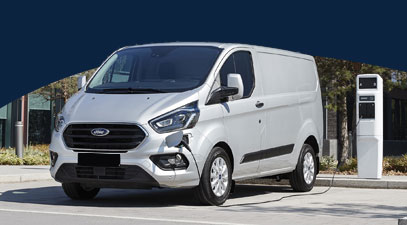
- Ford Transit Custom PHEV: the most popular van in the UK currently, the PHEV variant does everything its diesel and electric counterparts do with a flexible load bay and 1088kg total pay load. Plus, the battery pack has no impact on cargo volume as it’s mounted below the floor.
Why choose Zenith for an LCV?
Zenith provides complete support across the full lifecycle of your LCV fleet, from sourcing and funding to maintenance and compliance.
Funding options
Zenith helps you select the right option based on budget, utilisation, and long-term strategy. Choose from a range of finance and leasing solutions that support different types of businesses, including:
- Contract hire
- Finance lease
- Sale and leaseback
- Flexible fleet solutions

Fuel and energy efficiency
Whether running petrol, diesel or electric vehicles, Zenith provides guidance on:
- Reducing fuel or electricity consumption
- Optimising charging strategies
- Improving route efficiency
- Managing driver behaviour
Maintenance and servicing
Zenith maximises fleet utilisation through:
- Planned maintenance
- 24/7 breakdown support
- Replacement vehicles
- Predictable maintenance budgeting
Insurance and compliance
Our expert team helps you stay compliant with:
- Fleet insurance
- Licensing and regulatory requirements
- Safety and risk management
- Driver training
- Policy support
Expert support in LCV selection
Selecting the right LCV requires balancing size, payload, powertrain, cost and operational needs. Zenith’s fleet specialists support your decision-making with data-driven insights, industry knowledge and access to a wide range of leading LCVs.
Whether you’re growing your fleet, transitioning to electric or replacing legacy vehicles, we’ll help you choose the most efficient and cost-effective option.
Simply enter your details in the form below and a member of our new business team will be in touch.